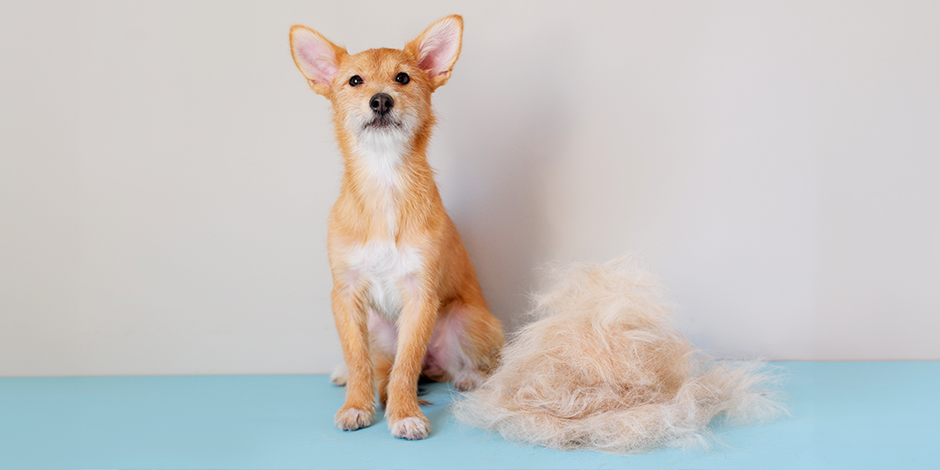
If you live in India and have a pet, skin problems in your pet can be a very common problem that you have to face. From constant scratching to red patches and shedding of fur, these issues show up more often here than in many other regions. While most people blame weather or hygiene, diet quietly plays a much bigger role than we often realize
Let’s look at this in a more practical, real-world way
The year-round weather conditions in India are quite intense—long summers, humidity, dust, and sudden seasonal shifts. This combination can weaken the skin’s natural defense over time

But here’s the important part: when the skin barrier is already weak due to poor nutrition, your pet becomes more prone to developing secondary skin infections. So, climate can be a potential trigger—but diet decides how strongly your pet reacts to it up to a good extent
A very common feeding pattern in Indian households is depending too much on home food like roti, rice, or dal with pets. While it feels natural and caring, this kind of diet lacks key nutrients needed for maintaining their skin and coat health

Skin and coat health depend heavily on amino acids (obtained from protein) and fats, not carbohydrates. When pets are overfed carbs and underfed protein or fat, their skin becomes fragile and slow to heal
Even when pets are given protein, the source matters. Low-grade kibble or inconsistent homemade meals may not provide complete amino acid profiles. Vegetarian diets not formulated by an expert can be highly deficient in essential amino acids

Healthy skin requires consistent intake of high-quality and bioavailable protein. Without it, you may notice:
It’s not about feeding more—it’s about feeding right
One of the most overlooked nutritional gaps in Indian pet diets lack of essential fats. Many pet parents avoid fats thinking they cause weight gain, but the right fats are essential
Omega 3 and 6 fatty acids help maintain skin elasticity and reduce inflammation. When these are missing, the skin dries out, leading to itching and flaking—even if everything else seems fine
Skin flare-ups are frequently linked to food, but not always in obvious ways. Ingredients like dairy, wheat, or even certain common proteins can cause mild sensitivities or allergies that build up over time

Instead of sudden severe reactions, you often see:
Because these symptoms are gradual, they’re easy to ignore or misdiagnose
Skin health isn’t just about protein and fats. Trace nutrients like zinc, biotin, and vitamin E are equally important
In unbalanced diets, these are usually missing. The result ? Skin that looks dull, and is more prone to developing infections. These deficiencies don’t always show immediately—but over time, they become visible
Many budget pet foods available in India rely heavily on fillers (ingredients that contribute to weight of the food, but very little valuable nutrients). While they may keep your pet full, they don’t necessarily nourish the skin
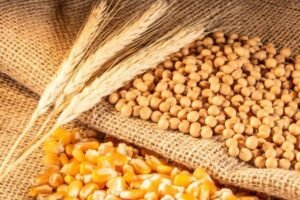
Over time, this creates a gap between “eating enough” and “getting enough nutrition,” which directly reflects in coat quality and skin conditon
Skin issues in Indian pets are not just about external factors like dust or weather—they are deeply connected to what goes into the bowl every day
A well-balanced diet doesn’t just improve appearance; it strengthens the skin from within, making it more resistant to infections and irritation
If there’s one takeaway, it’s this: treating skin problems without fixing the diet is only a temporary solution. Real improvement starts with nutrition