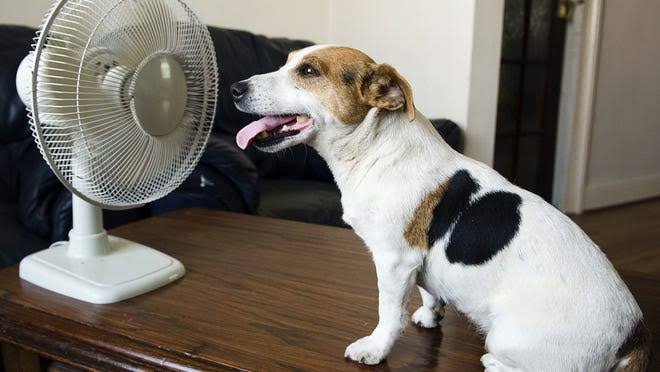
Dogs can’t sweat like humans do. They rely mainly on panting and their paw pads to regulate body temperature. In the harsh summers of India, overheating can happen quickly and become dangerous
Knowing the early dog overheating signs can help you act fast and protect your pet from serious conditions like heatstroke
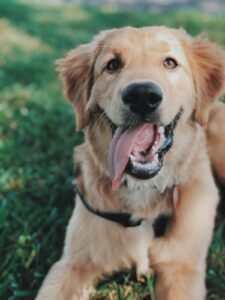
A little panting after a walk or some activity is normal. But if your dog is panting excessively and continuously even while resting indoors, this is an indication that their body has built up extra heat. This is the earliest and most common red flag
What to do:
Move your dog to a cool, shaded area immediately. Offer clean, slightly cool water. You can add a few ice cubes, but avoid extremely cold water
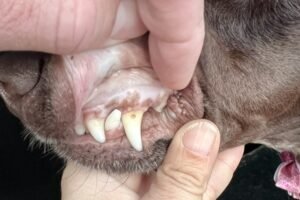
Healthy gums are pink. If your dog’s gums appear red, pale, or white, it may indicate poor blood circulation due to overheating
What to do:
Cool your dog gradually by wetting their paws and neck with cool (not ice-cold) water. Place a damp towel over their body and consult a vet if needed.
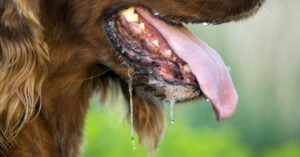
If your dog’s saliva becomes thick, sticky, or foamy, it can be a sign of dehydration — a direct result of overheating
What to do:
Offer small sips of water frequently. You can also give plain curd in small amounts. Keep your dog in a cool environment and monitor closely.
If your active dog suddenly becomes weak, confused, or unsteady, this could indicate heatstroke in dogs, which is a medical emergency

What to do:
Lay your dog on a cool surface. Apply a damp cloth to the neck, armpits, and groin area. Seek veterinary help immediately
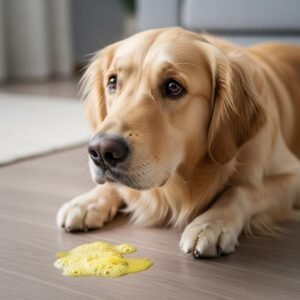
Overheating can also affect your dog’s digestive system. Sudden vomiting or loose stools during summer may be linked to heat stress
What to do:
Keep your dog hydrated with water and dog-specific electrolytes. Avoid feeding temporarily if vomiting continues and consult a vet if symptoms persist.
Understanding these dog overheating signs can make a life-saving difference. Indian summers can be harsh, but with proper care and awareness, you can keep your dog safe, healthy, and comfortable
By:
Prithwish Mukherjee
Nutritionist at Doggzi
Small Animal Nutritionist