If your dog often has loose stools, occasional vomiting, gas, or a tummy that seems “off” more often than it should, you’re probably dealing with a sensitive stomach
And if you’re constantly switching foods hoping something finally works, you’re not alone
Digestive sensitivity is one of the most common reasons pet parents rethink what’s in the bowl. Because when the gut isn’t comfortable, nothing else feels quite right either
Let’s talk about what actually helps
It’s not a diagnosis. It’s a pattern
Some dogs simply struggle to digest certain foods, especially heavily processed diets, unclear protein sources, or meals packed with additives designed for shelf life rather than digestion
Sometimes the issue isn’t a dramatic allergy. It’s just that your dog’s digestive system is working harder than it needs to

And over time, that shows up in their stool, their appetite, and even their energy levels
Many commercial dry foods are made using high heat and pressure. This process allows kibble to sit on shelves for months, but it also changes the digestibility of the food and reduces natural moisture
To maintain stability, preservatives are added to prevent fats from going rancid
For some dogs, this isn’t an issue. For sensitive dogs, it can be
Heavily processed ingredients can be harder to break down. Low moisture means digestion relies heavily on additional water intake. And certain additives may irritate already delicate systems

This is often where fresh, gently cooked food makes a noticeable difference
Fresh food is prepared with minimal processing and significantly higher moisture. Instead of being designed for long-term storage, it’s designed around digestibility
Gently cooked foods retain more nutrition. Natural moisture supports smoother digestion. And because fresh meals don’t need to sit on shelves for a year, they rely far less on chemical stabilization
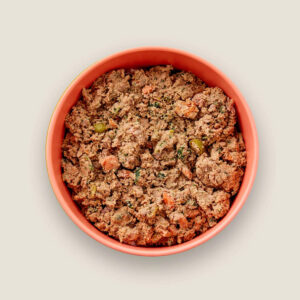
For a sensitive stomach, that can mean: (1) More consistent stools, (2) Less bloating, (3) Better appetite, (4) Calmer digestion overall
The difference isn’t always dramatic overnight. But many pet parents notice gradual improvement within weeks
When dogs have stomach upset, many people temporarily switch to boiled rice and chicken. That’s helpful in the short term
But it isn’t nutritionally complete
Dogs still need balanced vitamins, essential fatty acids, trace minerals, and carefully calculated protein levels. Feeding a bland diet long term can quietly create deficiencies
The best food for dogs with sensitive stomachs isn’t just gentle, it’s gentle and complete
That’s where professionally formulated fresh meals stand apart. They support digestion without sacrificing nutritional balance
Dogs with ongoing soft stools, recurring digestive upset, or inconsistent appetite often respond well to minimally processed, moisture-rich diets
Hydration plays a bigger role in gut comfort than many people realize. And food that is easier to digest places less strain on the entire system
When digestion improves, other areas often follow- coat quality, energy levels, and even mood
If you decide to switch foods, especially for a sensitive dog, go slowly
Gradual transitions over 7 to 10 days give the digestive system time to adjust. Sudden changes can cause the very symptoms you’re trying to fix. Consistency and patience matter more than speed
If symptoms are severe, persistent, or accompanied by blood in stool, significant lethargy, or weight loss, veterinary evaluation is important
Diet solves many mild sensitivity cases, but underlying medical causes should always be ruled out
The best food for dogs with sensitive stomachs is one that prioritizes digestibility, ingredient quality, and nutritional balance over shelf life
For many pet parents, fresh food offers that balance naturally with real ingredients, gentle preparation, and built-in hydration
Not as a trend. Not as marketing. But as a thoughtful way to help sensitive dogs feel better from the inside out
Because when your dog’s stomach feels calm, everything else feels easier too