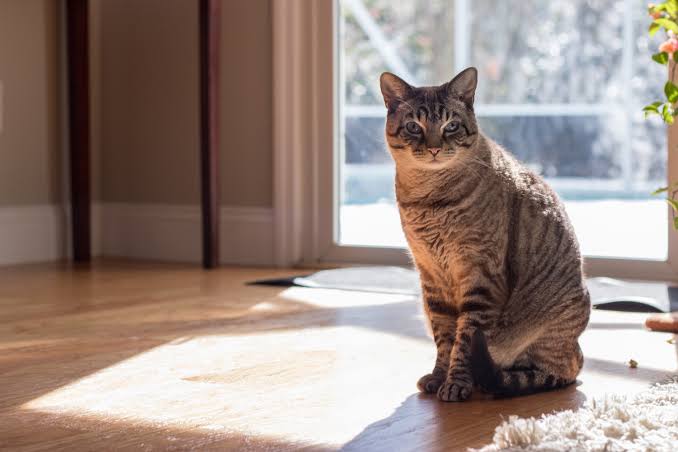
For many cat parents, feeding dry kibble feels normal. It’s convenient, affordable, and widely recommended
But cats are very different from dogs when it comes to nutrition. Their bodies evolved as obligate carnivores, meaning they are designed to eat animal-based diets that naturally contain high moisture
When we look at how cats are built to eat, it becomes clear why many experts encourage wet or fresh food instead of relying entirely on dry kibble
In the wild, a cat’s diet consists mainly of small prey like rodents and birds. These foods contain around 65–75% moisture
Because of this, cats evolved with a low thirst drive. They are not naturally inclined to drink large amounts of water
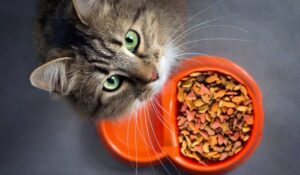
Dry kibble contains only about 8–10% moisture. When cats eat a dry-only diet, they often don’t drink enough water to fully compensate. Over time, lower hydration can place extra stress on the urinary system and kidneys
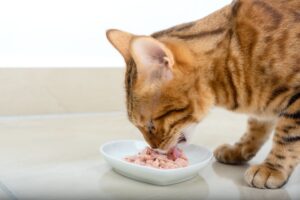
Wet or fresh meals help restore moisture to the diet in a way that matches how cats are naturally meant to eat
One of the biggest benefits of fresh or wet food is built-in hydration
Meals that contain natural moisture help support: (a) Healthy urinary function, (b) Kidney health and (c) Smoother digestion
This is especially important for indoor cats, who are already more prone to urinary issues and dehydration. Instead of relying entirely on drinking water, moisture becomes part of every meal
Cats rely heavily on animal protein for energy and essential nutrients. Many dry foods contain significant amounts of carbohydrates because starch is needed to form kibble during manufacturing
Fresh or wet meals can focus more on high-quality animal proteins without needing those structural starches. This better reflects the type of diet cats evolved to digest
Kibble is produced using high heat and pressure so that it can stay shelf-stable for long periods. This process helps create convenient food, but it also means the diet is heavily processed and often requires preservatives to maintain stability
Fresh food, on the other hand, is gently cooked and stored refrigerated or frozen. Because it isn’t designed for long-term shelf storage, it relies less on chemical stabilization
For many pet parents, feeding food that looks and smells like real ingredients simply feels more natural
Cats are known for being selective eaters. Meals with natural aroma and moisture tend to be more appealing than dry pellets. This can be particularly helpful for cats that eat poorly or become bored with their food
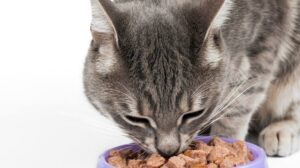
Better palatability often leads to more consistent eating habits
Dry food isn’t inherently harmful, and many cats do eat it. However, relying on kibble alone may not provide the level of moisture and protein quality that supports optimal long-term health
That’s why many veterinarians and nutritionists recommend including wet or fresh meals as a primary part of a cat’s diet
Cats are biologically designed to eat moisture-rich, animal-based diets
Fresh or wet food aligns much more closely with that natural feeding pattern by providing higher moisture, quality animal proteins and less reliance on heavy processing. For many cat parents, switching to fresh meals simply feels like feeding their cat the way nature intended
And when a diet works with a cat’s biology rather than against it, the benefits often show up quietly – in hydration, energy, and overall well-being