As pet parents, we all want the same thing. A happy, healthy dog who thrives for years
And at some point, most of us wonder-
“Is kibble really enough ?”
“Should I switch to fresh food ?”
“Am I feeding my dog the best I can ?”
Let’s walk through this calmly and honestly, without fear and without guilt
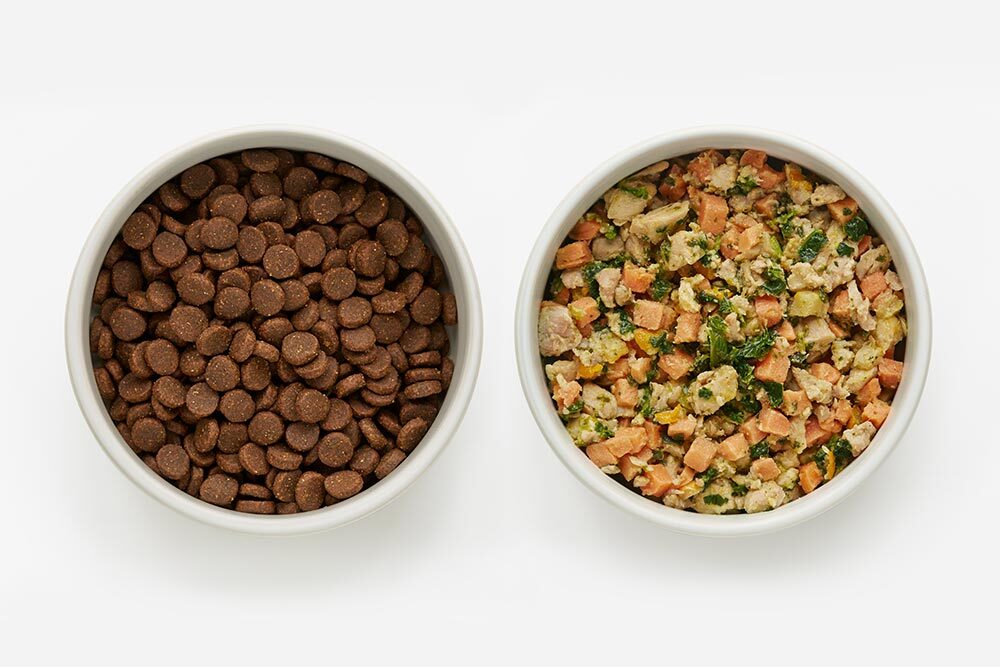
Kibble is dry dog food made through a process called extrusion. Ingredients are ground, mixed, cooked at high temperatures, and shaped into pellets
It’s popular because it’s:
Many good-quality kibble brands meet established nutrient standards. That means they provide essential proteins, fats, vitamins, and minerals your dog needs to survive
And for many dogs, kibble works
But surviving and thriving aren’t always the same thing
Fresh dog food is made using real, whole ingredients, gently cooked and minimally processed
Think:
It looks like real food, because it is

The key difference ? It focuses not just on meeting nutrient numbers, but on how the body absorbs and uses those nutrients
Kibble is heavily processed using high heat
Fresh food is gently cooked
Why does that matter ?
High heat can reduce many delicate nutrients
Fresh food keeps more of its natural structure intact, which may support easier digestion and nutrient absorption
This is one of the biggest differences
Kibble contains about 8–10% moisture. Whereas fresh food contains about 65–75% moisture

Dogs often don’t drink as much water as they should. Higher moisture in food supports hydration, which plays a role in digestion, kidney health, and overall vitality
This is specially important for senior dogs
Most pet parents notice smaller and firmer stools, consistent digestion after switching to a fresh food diet
That’s often because whole, minimally processed ingredients are easier on the digestive system
And when the digestion is good, everything else tends to improve too – skin, coat and energy levels
With fresh food, you can usually recognize every ingredient
There’s comfort in knowing what’s actually in your dog’s bowl
No complicated terminology. No mystery components. Just real food – thoughtfully balanced
To prevent the food from going bad, dry food must include preservatives
These may include synthetic antioxidants, stabilizers, shelf-life extenders. Even when natural preservatives are used, the food still relies on chemical stabilization because it must survive months in storage
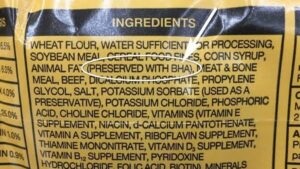
Fresh food doesn’t need long-term preservatives
Why ?
Because it’s:
Less need for chemical stabilization means a cleaner ingredient profile
Yes, most kibble brands meet nutritional standards
But meeting minimum nutrient requirements is not the same as optimizing overall wellness. Balanced fresh food is less processed, higher in moisture and digestibility, with no preservatives
The shift toward fresh food isn’t about trends. It’s about:
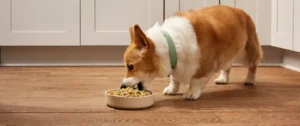
Feeding happens twice a day, every day. Small upgrades compound over time
For decades, kibble was the only practical option. Today, we have better choices
Fresh food isn’t about fear. It’s about feeding with intention
Less processing. Less reliance on preservatives. More real nourishment
Because when it comes to family, “good enough” often becomes “can we do better ?”
And now, we can